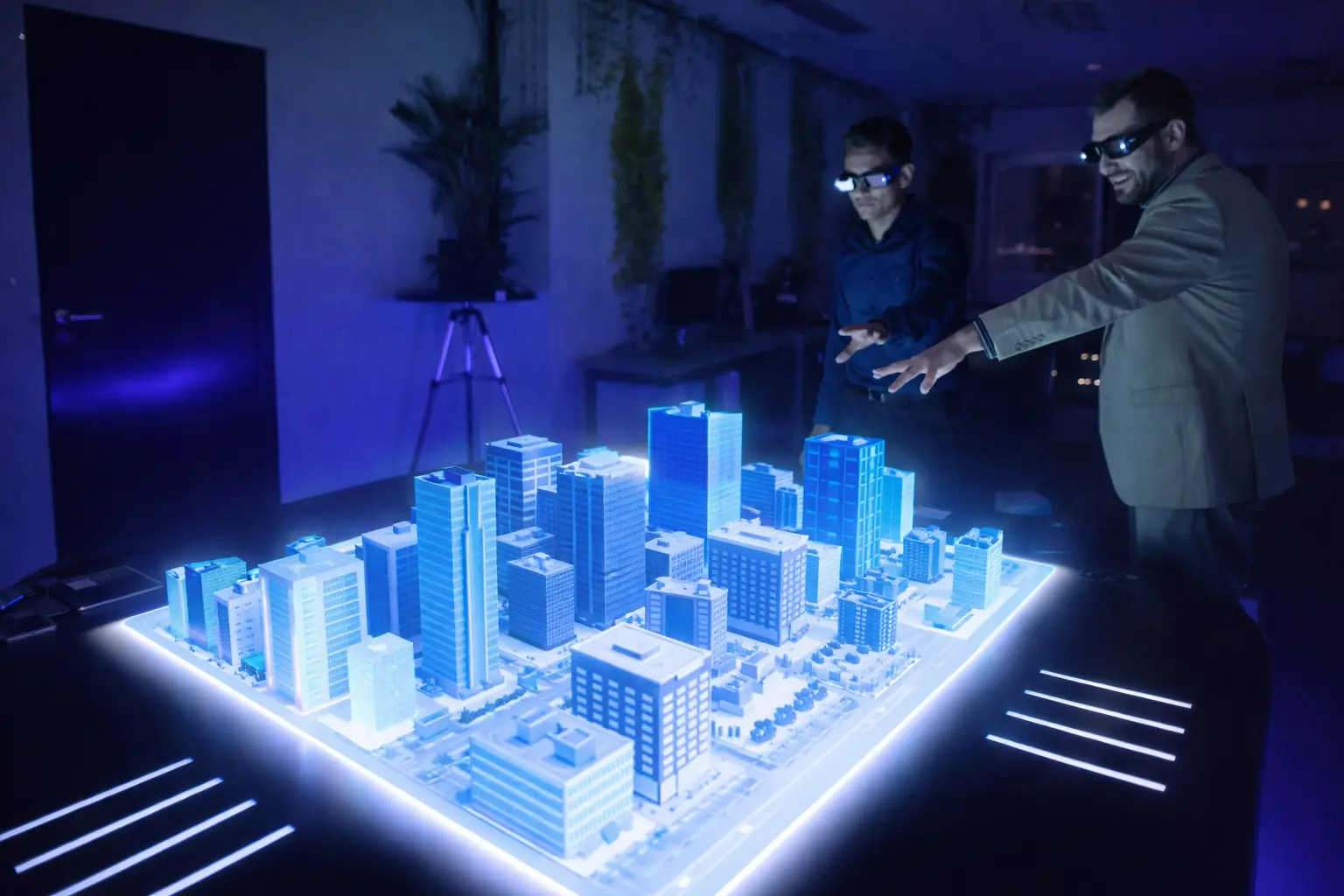
3D Hologram Table
A 3D hologram table is an advanced visual display system that presents three-dimensional digital content on or above a table-like surface. It allows users to view, explore, rotate, zoom, and interact with 3D models in a more natural and engaging way than a traditional flat screen. Depending on the technology and system configuration, a hologram table may use a combination of high-resolution displays, light-field technology, projection, transparent display surfaces, motion sensors, touch controls, or gesture recognition.
Key Features
How Does a 3D Hologram Table Work?
A 3D hologram table combines digital 3D content with specialised display and interaction technology.
The exact working method depends on the type of hologram table, but for a typical system the process begins with a digital 3D model.
The content may be created using:
- 3D modelling software
- CAD and BIM files
- Architectural designs
- Product design files
- Medical imaging data
- 3D scans
- GIS and mapping data
- Custom animation software
Why Use a 3D Hologram Table?
Make Complex Information Easier to Understand
Some ideas are difficult to explain through drawings, charts, slides, or flat images.
A 3D hologram table can help users understand the size, shape, structure, and relationship between different parts of a model. This is useful for architectural designs, engineering systems, medical content, industrial products, and educational subjects.
Improve Product Demonstrations
A physical prototype is not always available, practical, or easy to transport.
A hologram table can display a detailed digital version of a product and allow users to explore it from different angles. Features, components, and product variations can be presented without requiring multiple physical samples.
Support Better Collaboration
Several people can gather around the table and discuss the same model.
Teams can review designs, identify details, compare options, and make decisions using a shared visual reference. This can make meetings more focused and reduce the need to switch between multiple screens or printed documents.
Create More Engaging Presentations
A 3D interactive display can make presentations more visual and participatory.
Instead of watching a sequence of slides, customers, students, visitors, or stakeholders can explore the content directly.
Reduce Dependence on Physical Models
Large architectural models, industrial prototypes, and product samples can be expensive to produce, update, transport, and store.
A digital 3D model can be updated without rebuilding a physical model. New versions, colours, layouts, and configurations can be added to the system as required.
Create a Memorable Brand Experience
Interactive 3D content can help brands create a stronger presence at exhibitions, showrooms, retail spaces, product launches, and experience centres.
Visitors can explore products rather than only viewing static advertising.
Why is It beneficial for Viewers?
It is beneficial for audiences because this improves enjoyment worth while securing finance and time. Viewers enjoy life-sized and associative views without requiring costly installations or several devices. This 3D hologram projector also assists in engaging learning that makes content simpler to understand and more interactive. Audiences can access dynamic content in a single platform, decreasing subscription prices and enhancing comfort, providing a more affordable and richer viewing experience at home or in business spaces.
Applications
Education
A three-dimensional table hologram improves learning with engaging 3D prototypes.
Entertainment
A 3D holo table produces interactive visual experiences for media and sports.
Advertising and Branding
3D hologram presentations depict objects in attractive three-dimensional screens.
Healthcare and Medical
Observes anatomy for preparation and training.
Business Demonstrations
This curates architects and information more interactive and transparent.
Shows and Museums
This brings historical shows and arts to life.
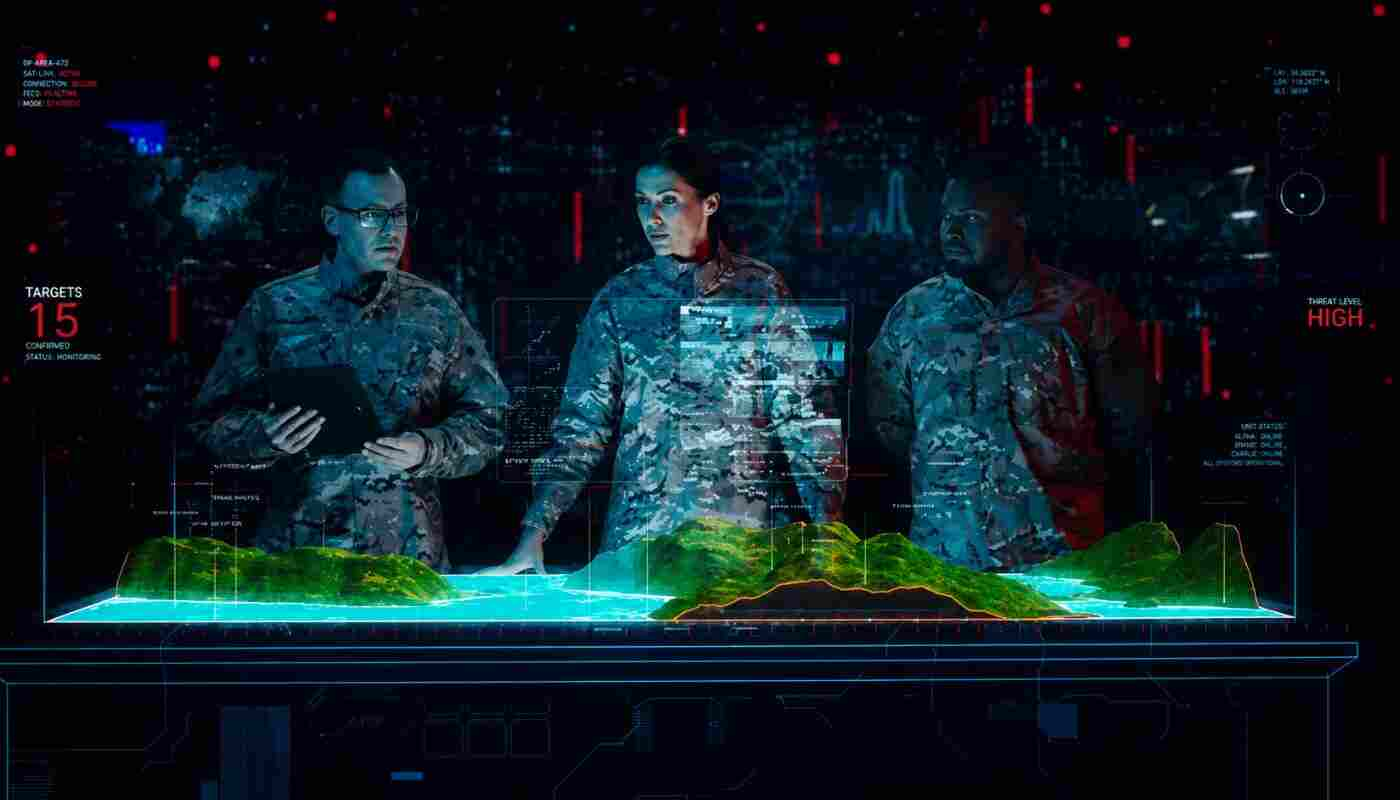
Key Features
Discover what makes the 3D Hologram Table stand out from the competition
Original 3D Screens
This depicts life-sized pictures sailing in mid-air.
Engaging Controls
A 3D hologram table enables users to zoom, revolve and modify the view simply.
High-Resolution Output
Offers detailed and sharp hologram views.
Multi-User Assistance
Allows several users to engage and watch concurrently.
Space-Saving Architect
Removes the requirement for large devices or displays.
Flexible Applications
Significant for gaming, learning, business demonstrations and enjoyment.