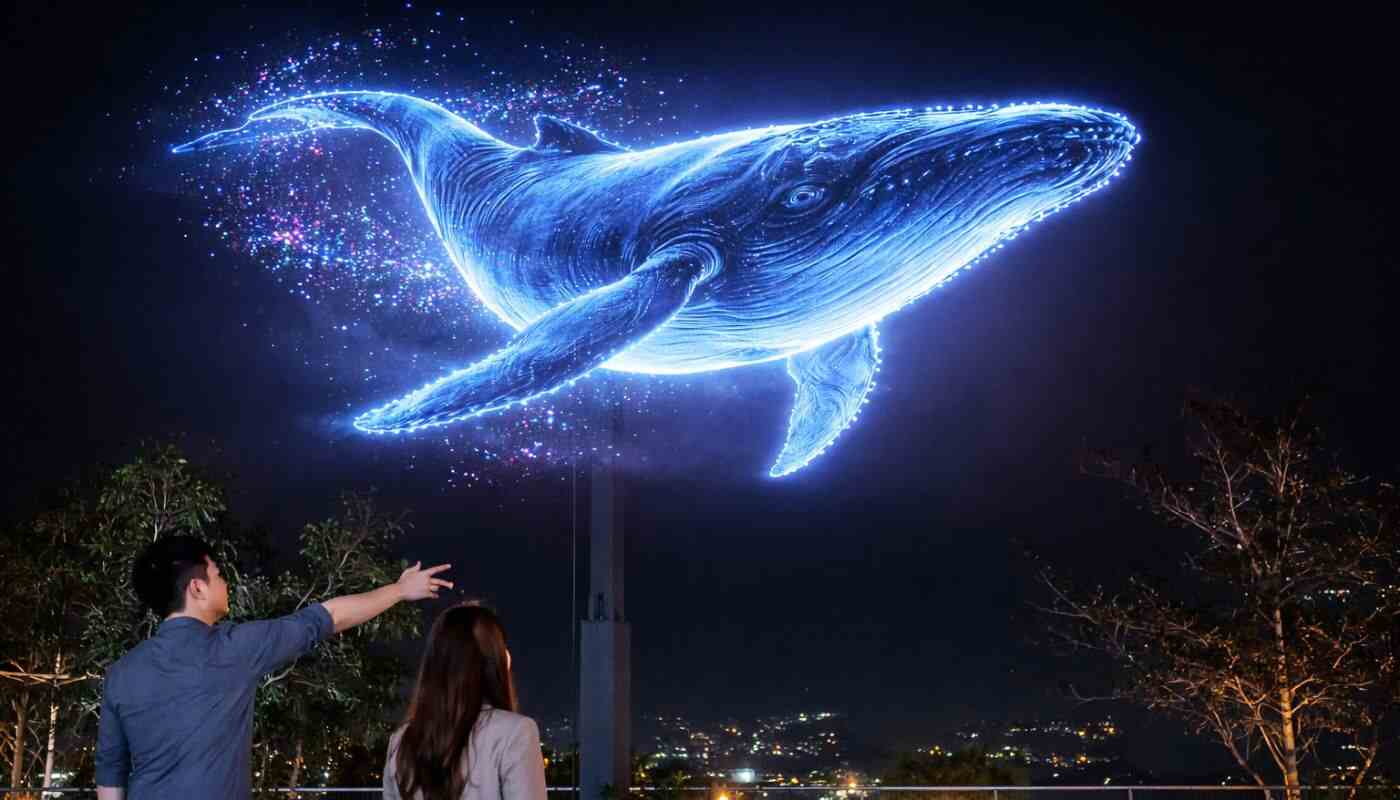
Holograms grab the attention of the audience with their captivating use of 3D imagery that appears so real it seems they must come from someplace that has never been seen. The technology has developed and gone beyond the extremities of science fiction to reach into the real world. 7D Hologram technology takes the game a notch higher by bringing in other sensory layers besides vision. By the year 2026, some of the grand achievements lie in real-time interaction in events such as holographic exhibitions in Dubai and Tokyo, mashed up with AI, as well as adding a multiverse of multi-sensory experiential elements.
What Is 7D Hologram Technology?
7D Hologram Technology captures scenes in 7 different parameters: Position in 3D (x, y, z), Viewer angles in 2D, Light intensity and Time. Unlike basic holograms, which basically record light interference, in 7D holograms, an additional layer of motion emerges that entails sound, vibration, wind, and touch. The holographic system incorporates LED fans, projectors, and sensors. Laser beams are there to recreate the wavefronts, which is why the pictures seem as if they really are floating inside mid-air with lifelike realness.
How Does 7D Hologram Technology Work?
Holographic exhibition installations position the subjects in the middle of an array of cameras recording the light fields from almost every possible side. The image data is utilized by software farming out a 5D plenoptic function along with time and intensity values: it's a 3D scene cropped from different angles. The outputs could be rendered through spinning arrays of high-intensity LEDs and adjusting mist screens syncing with additional effects such as fans to simulate drafts or bass shakers for further atmospheric vibrations. These environments are equipped with real-time sensory output to let the audience interact with holograms, while always generating reactionary responses to stimuli.
Applications of 7D Holograms
The spirit of the entertainment world comes full circle when hologram exhibitions showcase resurrected Tupac and ABBA avatars; in the field of Education, on the other hand, an atman takes on the biota as one example and historical scenes. When it comes to Marketing, pop-up demonstrations of products are created and simulations for Healthcare procedures. Theme parks introduce these into their rides in order to offer visitors a multi-sensory experience!
Advantages and Disadvantages of Hologram
There is an endless list of pros in terms of holography; on the other hand, it cannot be denied that the negatives are evidence of the extent to which the whole idea can be pushed in the first instance.
New Developments
In 2024, any AR glasses and mixed hybrid mobile hologram machine will bring the 7D technology. Benefiting from AI and at a reduced cost of data, realism is improving. Before long, holograms would replace ads. While retail uses these devices to seductively entice persons, medical holograms have already moved on into the realm of digital surgery for remote planning.
Wrap Up!
7D Hologram Technology takes the viewer to another dimension when admitted in any hologram exhibit. At the same time, it seems a multi-sensory dimension-the very aura inspires other sensations, sounds, movements, a tangible resurgence between the observers, and an enlightening display.